The 1st Pillar of Gut Health
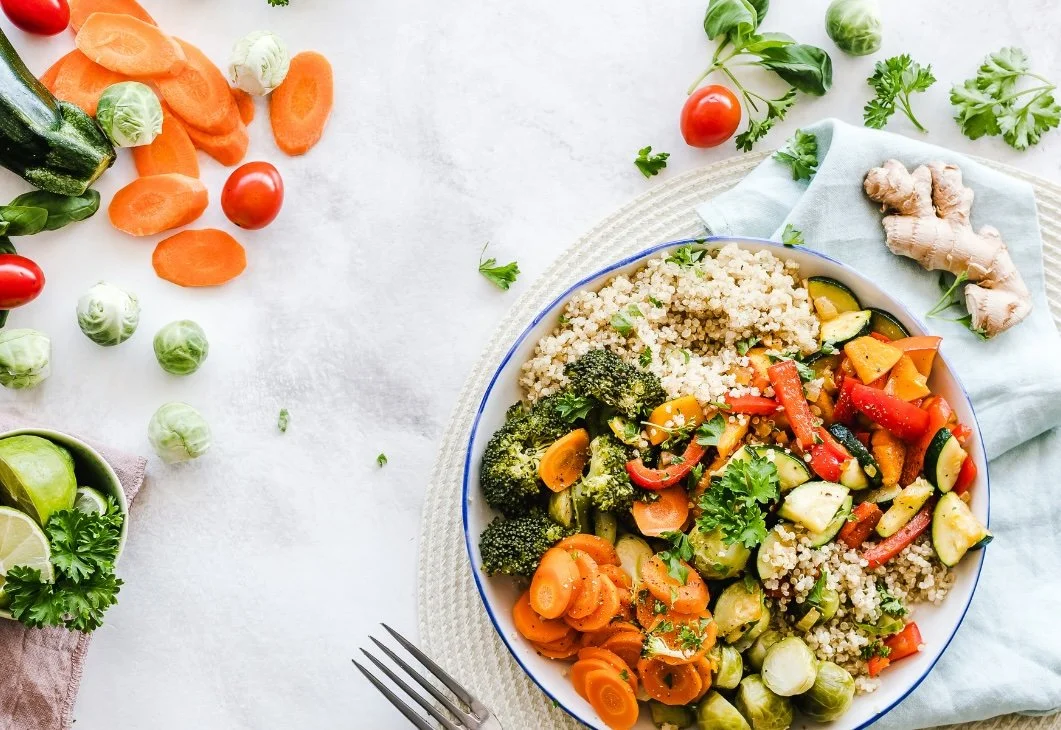
True gut health doesn’t come from one supplement or quick fix. A healthy microbiome is built through consistent daily habits — from the foods you eat to stress management, sleep, movement, environmental exposures, and targeted supplementation.
To simplify what this looks like, I use a framework called the “5 Pillars of Gut Health”. To get started, we’re covering pillar #1, and my goal is for you to leave with at least one simple action step you can start today.
Pillar #1: Food — The Foundation of Gut Resilience
Your gut microbiome is constantly responding to what you eat. In fact, food is one of the most powerful daily inputs shaping your gut health, immune system, energy, and even mood.
Inflammatory seed oils, processed food, preservatives, pesticides, and low fiber in our diets are all really good examples of ways that food can harm our gut.
The good news? Small changes create meaningful shifts.
Here are a few simple ways to start supporting a more resilient microbiome this week:
• Aim for more fiber. Most adults fall far below optimal intake. Start by adding fiber-rich foods like berries, flax, chia seeds, lentils, beans, oats, and vegetables to meals you already eat.
• Focus on plant diversity. Different plants feed different beneficial microbes. Try adding one new plant food each week — herbs, spices, nuts, seeds, fruits, and vegetables all count.
• Eat more color. Deep reds, greens, purples, oranges, and blues contain polyphenols that help beneficial bacteria thrive. Think: blueberries, pomegranate, leafy greens, beets, red cabbage, olive oil, and fresh herbs like rosemary.
• Support digestion gently. If raw vegetables or high-fiber foods feel overwhelming, start with cooked vegetables, soups, stews, or roasted root vegetables and build gradually. This gently eases how hard your gut has to work to digest food.
• Include resistant starches. Foods like cooked-and-cooled potatoes or rice, lentils, and green bananas help feed beneficial gut bacteria and support short-chain fatty acid production. Green banana flour is a quick way to add fiber to a smoothie, to oatmeal, or to homemade pancakes.
Supplement support can also help reinforce the foundations, but are not meant to be used INSTEAD of dietary supports:
• A quality prebiotic fiber
• Spore-based probiotics
• Tributyrin or butyrate support for the gut lining
Remember: gut health is built through nourishment, diversity, and consistency. It’s really the small daily habits that end up mattering the most.
Inside my 4R Gut Protocol, we will be diving deeper into food with meal plans and recipes to support Pillar #1. I cannot wait to share it with you! More info coming soon.
In the meantime, what’s one takeaway from this list of suggestions that you can start working on today?